Smoke Vs CO Alarms: What Each Detects
Smoke alarms and carbon monoxide (CO) detectors serve critical but distinct purposes in home safety. Smoke alarms are designed to detect smoke from fires, providing an early warning to escape potential danger. In contrast, CO detectors monitor the levels of carbon monoxide, a colorless and odorless gas that can be fatal in high concentrations.
Understanding the differences between these two types of alarms is essential for ensuring comprehensive safety in your home. While some detectors combine both functionalities, knowing what each device specifically detects can help you choose the right equipment for your safety needs.
Disclosure: As an Amazon Associate I earn from qualifying purchases at no cost for you.
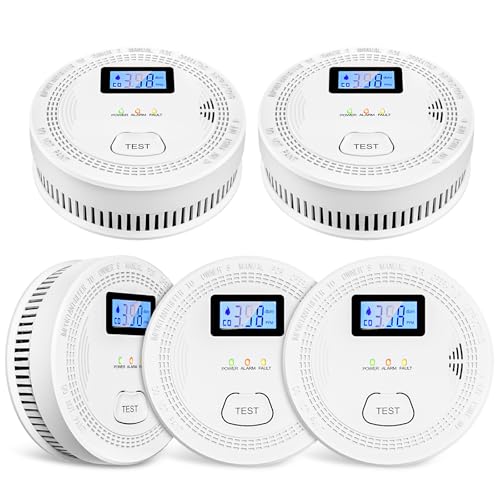
- Efficient Smoke and CO Detection: This smoke detector carbon monoxide detector combo use…
- Real-Time Alerts for Immediate Action: With LED lights and an 85 dB alarm, this smoke an…
- Precise Detection Technology: Features a high-sensitivity photoelectric sensor and elect…
Why This Matters
The importance of smoke and CO alarms cannot be overstated. Each type of alarm addresses specific hazards present in homes, and having both is crucial for a well-rounded safety plan. A fire can spread rapidly, and smoke alarms provide the vital seconds needed to escape. Meanwhile, carbon monoxide can accumulate silently, making CO detectors essential for preventing poisoning.
In many regions, building codes require the installation of both smoke and CO detectors in residential properties. Ensuring that these alarms are present and functioning can significantly reduce the risk of injury or death in emergencies.
Key Benefits
1. **Early Warning**: Smoke alarms alert you to smoke and potential fires before they become life-threatening. CO detectors warn you of dangerous gas levels that you cannot detect by smell.
2. **Dual Protection**: Combination alarms, like the 5 Packs Smoke Combination CO Alarm, offer the convenience of detecting both smoke and CO, simplifying installation and maintenance.
3. **User-Friendly Features**: Modern detectors come equipped with features such as digital displays, test buttons, and low battery warnings. For instance, many models have LED indicators that provide visual alerts for smoke and CO detection.
Common Drawbacks & Limitations

- Efficient Smoke and CO Detection: This smoke detector carbon monoxide detector combo use…
- Real-Time Alerts for Immediate Action: With LED lights and an 85 dB alarm, this smoke an…
- Precise Detection Technology: Features a high-sensitivity photoelectric sensor and elect…
While smoke and CO alarms are essential safety devices, they are not without limitations. False alarms can occur, particularly with smoke detectors, due to cooking smoke or steam. This can lead to alarm fatigue, where users become desensitized to alarms.
Additionally, some models may have shorter battery lives, necessitating frequent replacements. It’s also important to note that while combination alarms are convenient, they may not perform as well as dedicated units in certain situations.
What to Look For (Buyer’s Checklist)
When selecting smoke and CO alarms, consider the following:
– **Detection Technology**: Look for alarms with photoelectric sensors for smoke and electrochemical sensors for CO for accurate detection.
– **Power Source**: Choose between battery-operated or hardwired options based on your installation preferences. Battery-operated units offer flexibility, while hardwired models may provide continuous power.
– **Interconnectivity**: If you want a whole-home safety solution, consider interconnected alarms that allow all units to sound when one detects danger.
– **User-Friendly Features**: Ensure the unit has test buttons, low battery indicators, and visual alerts for ease of use.
– **Maintenance**: Check the battery life and whether the unit requires regular maintenance or replacement.
How to Choose for Your Situation
Choosing the right smoke and CO alarms depends on your specific living situation. For larger homes, interconnected units can provide comprehensive coverage, ensuring that all rooms are monitored. If you live in a smaller space, a combination alarm may suffice.
Consider your lifestyle and potential hazards. For example, if you frequently cook, a photoelectric smoke alarm may reduce false alarms. Additionally, evaluate the location of installation; smoke detectors should be placed near sleeping areas, while CO detectors should be installed near fuel-burning appliances.
Care, Safety, and Longevity Tips
To ensure the longevity and effectiveness of your smoke and CO alarms:
– **Regular Testing**: Test your alarms monthly by pressing the test button. Replace batteries at least once a year or when the low battery indicator sounds.
– **Cleaning**: Dust and debris can affect performance. Clean your alarms regularly according to the manufacturer’s instructions.
– **Replacement**: Replace smoke alarms every 10 years and CO detectors every 5-7 years, or as recommended by the manufacturer.
– **Installation**: Follow installation guidelines closely, placing alarms in recommended areas for optimal performance.
Recommended Picks
When considering smoke and CO detectors, several options stand out based on features and reliability. The 5 Packs Smoke Combination CO Alarm offers an efficient dual detection system, making it ideal for those seeking comprehensive protection in a compact design.
The Interconnected Smoke and Carbon Monoxide Detector provides a wireless mesh network for larger homes, ensuring that all alarms communicate effectively. For a long-term solution, the 10-Year Battery Wireless Interlinked model offers extended sensor life and minimal maintenance.
FAQ
**1. How often should I test my smoke and CO alarms?**
Test your alarms monthly to ensure they are functioning correctly.
**2. Where should I install smoke and CO alarms?**
Install smoke alarms in hallways and near sleeping areas, while CO detectors should be near fuel-burning appliances.
**3. Can I use a smoke alarm in the kitchen?**
It’s best to use a photoelectric smoke alarm in the kitchen to minimize false alarms from cooking.
**4. What should I do if my alarm goes off?**
Evacuate immediately and call emergency services. Do not return until it is safe.
**5. How do I know when to replace my alarms?**
Check the manufacturer’s guidelines; typically, smoke alarms need replacement every 10 years, while CO detectors last 5-7 years.

- ✅【Dual Sensor Protection – Detects Both Smoke & CO】 Equipped with advanced photoelectric…
- 📡【Wireless Interconnected System – Whole-Home Safety】 All alarms wirelessly connect and …
- 🔋【10-Year Built-In Lithium Battery – No Wiring Needed】 Forget battery replacements. Each…
Conclusion
Understanding the differences between smoke and CO alarms is vital for effective home safety. Both types of detectors play essential roles in protecting you and your family from potential hazards. By choosing the right alarms, regularly maintaining them, and knowing how to respond in emergencies, you can significantly enhance your home’s safety. Whether you opt for standalone units or combination alarms, being proactive about fire and CO safety is key to peace of mind.
Popular Picks to Compare
- Efficient Smoke and CO Detection: This smoke detector carbon monoxide detector combo use…
- Real-Time Alerts for Immediate Action: With LED lights and an 85 dB alarm, this smoke an…
- Precise Detection Technology: Features a high-sensitivity photoelectric sensor and elect…

- ✅【Dual Sensor Protection – Detects Both Smoke & CO】 Equipped with advanced photoelectric…
- 📡【Wireless Interconnected System – Whole-Home Safety】 All alarms wirelessly connect and …
- 🔋【10-Year Built-In Lithium Battery – No Wiring Needed】 Forget battery replacements. Each…

- Comprehensive Protection for Your Home: The smoke & carbon monoxide alarms protect again…
- Enhanced Detection Accuracy: Using a high-sensitivity photoelectric sensor for smoke and…
- Instant Alerts with LED Indicators: The 3-color LED indicator system provides visual ale…

- 【Upgraded Dual Sensors to Ensure Your Safety】: Compared with most carbon monoxide smoke …
- 【LCD Digital Displays & Multi-directional Sensing Hole】: The informative LCD will show y…
- 【Battery-Operated&Easy Installation】:This CO alarm is powered by large capacity 3×1.5V A…

- Photoelectric sensor for smoke and a electrochemical co sensor for carbon monoxide means…
- Carbon monoxide detectors/smoke alarm has a digital display, provide you with a real-tim…
- Battery operated provide you with an easy installation. After inserting batteries, this …

