How Many Door/Window Sensors Do You Need?
Determining the number of door and window sensors you need for your home can vary significantly based on your specific living situation and security requirements. Generally, a good rule of thumb is to install one sensor on every main entry point, such as doors and accessible windows, to ensure comprehensive coverage. If you have multiple stories or a larger home, consider additional sensors for secondary entry points, like basement windows or sliding glass doors.
For smaller spaces, such as apartments or condominiums, a fewer number of sensors may suffice. It’s essential to assess your home’s layout and the potential vulnerabilities to decide the optimal number of sensors required to enhance your security effectively.
Disclosure: As an Amazon Associate I earn from qualifying purchases at no cost for you.

- Easily mounted by adhesive. Type to window or door. Ideal entry warning for homes,apartm…
- Super loud 95 dB alarm. When someone opens the door or window illegally (the relative po…
- Magnetic sensor switch detects your door or window.Easy stick installation and operation…
Why This Matters
Home security is a critical concern for many homeowners and renters alike. Installing door and window sensors can significantly reduce the risk of burglary and provide peace of mind. These sensors act as a deterrent, alerting occupants when an entry point is breached, and can potentially summon help in emergencies.
Furthermore, with advancements in technology, these sensors are becoming more accessible and easier to install. Understanding how many you need ensures that you are not over- or under-protecting your property.
Key Benefits
1. **Enhanced Security**: Door and window sensors provide immediate alerts when someone tries to enter your home unlawfully, allowing you to respond quickly.
2. **Peace of Mind**: Knowing that your home is monitored can alleviate anxiety, especially when you are away from home or at night.
3. **Child Safety**: These sensors can also help prevent children from wandering outside unnoticed, offering an additional layer of safety for families.
Common Drawbacks & Limitations

- Easily mounted by adhesive. Type to window or door. Ideal entry warning for homes,apartm…
- Super loud 95 dB alarm. When someone opens the door or window illegally (the relative po…
- Magnetic sensor switch detects your door or window.Easy stick installation and operation…
1. **False Alarms**: Sometimes, door and window sensors can trigger false alarms due to pets or high winds, which may lead to alarm fatigue.
2. **Battery Dependency**: Many sensors require batteries, which need regular changing to ensure they function correctly. Neglecting this can lead to a false sense of security.
3. **Limited Coverage**: While sensors are effective for entry points, they do not cover other areas of vulnerability, such as garages or basement windows, unless additional units are installed.
What to Look For (Buyer’s Checklist)
– **Sound Level**: Look for alarms with a sound level of at least 90 dB to ensure they can be heard throughout your home.
– **Ease of Installation**: Choose sensors that are easy to install, preferably with adhesive backing and simple on/off switches.
– **Battery Life**: Consider models that have long-lasting battery life or easy battery replacement features.
– **Design**: Opt for discreet designs that blend well with your home decor, ensuring they are not an eyesore.
– **Quantity**: Evaluate multi-pack options, such as the 12-pack of door/window alarms, that provide a good value for comprehensive coverage.
How to Choose for Your Situation
When choosing door and window sensors, first assess your home’s layout. Identify all potential entry points, including doors and accessible windows. For larger homes, consider a multi-pack option to ensure you have enough sensors for every entry point.
Additionally, consider your lifestyle. If you have pets, look for sensors that minimize false alarms. For families with young children, choose alarms that are easy to operate and can alert you when children try to exit.
Care, Safety, and Longevity Tips
1. **Regular Maintenance**: Check the batteries regularly and replace them as needed to ensure your alarms are always operational.
2. **Test Alarms Periodically**: Test your sensors every few months to confirm they are functioning correctly.
3. **Clean Installations**: Keep the adhesive surfaces clean and free from dust to maintain a strong bond.
4. **Strategic Placement**: Install sensors away from areas prone to false triggers, such as high-traffic areas where pets may pass.
Recommended Picks
When looking for reliable door and window sensors, consider options that offer multi-pack convenience. For instance, a 12-pack of wireless sensors could provide ample coverage for an average-sized home, while a 4-pack might suit smaller apartments or specific areas like garages or basements. Look for products that emphasize ease of installation, with features like adhesive backing and clear instructions. Additionally, choose alarms with high decibel ratings to ensure effective deterrence.
FAQ
**Q1: How do door and window sensors work?**
A1: They use magnetic sensors that trigger an alarm when the door or window opens, breaking the connection between the two parts.
**Q2: Can I install these sensors myself?**
A2: Yes, most door and window sensors are designed for easy installation with adhesive backing, requiring no special tools.
**Q3: Do I need a security system to use door/window sensors?**
A3: No, many door and window sensors operate independently and do not require a full security system to function.
**Q4: What happens if the battery runs out?**
A4: If the battery runs out, the sensor will not function, so it’s essential to check and replace batteries regularly.
**Q5: Are there any specific features I should look for?**
A5: Look for features like adjustable settings, loud alarm sounds, and ease of operation to ensure the sensors meet your needs.

- 【SMART DESIGN】The alarm and magnetic stripe are separated more than 0.39inch(10mm), it k…
- 【ALARM ON AND OFF MODE】 When someone come in and open a door or window, making the gap m…
- 【HOME AND OFFICE SAFE】Remind you immediately when the pets or someone come in. Prevent t…
Conclusion
Determining how many door and window sensors you need is essential for effective home security. By assessing your living space, understanding the benefits and limitations, and selecting the right products, you can enhance your safety and peace of mind. Regular maintenance and strategic placement will further ensure that your home remains secure, allowing you to focus on what matters most.
Popular Picks to Compare
- Easily mounted by adhesive. Type to window or door. Ideal entry warning for homes,apartm…
- Super loud 95 dB alarm. When someone opens the door or window illegally (the relative po…
- Magnetic sensor switch detects your door or window.Easy stick installation and operation…
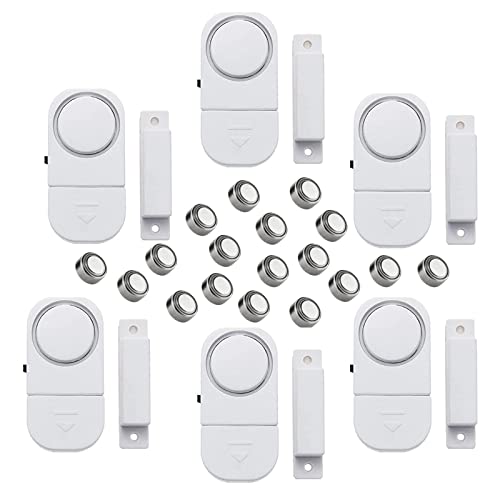
- 【SMART DESIGN】The alarm and magnetic stripe are separated more than 0.39inch(10mm), it k…
- 【ALARM ON AND OFF MODE】 When someone come in and open a door or window, making the gap m…
- 【HOME AND OFFICE SAFE】Remind you immediately when the pets or someone come in. Prevent t…

- LOUD DOOR ALAR: This alarm is loud enough to immediately sound a strong alarm when someo…
- EASY INSTALLATION: Simple paste installation and operation, press the on/off switch to t…
- LIGHTWEIGHT PORTABLE: Ultra-thin design, 3.4" x 1.1" x 0.6", lightweight and easy to car…
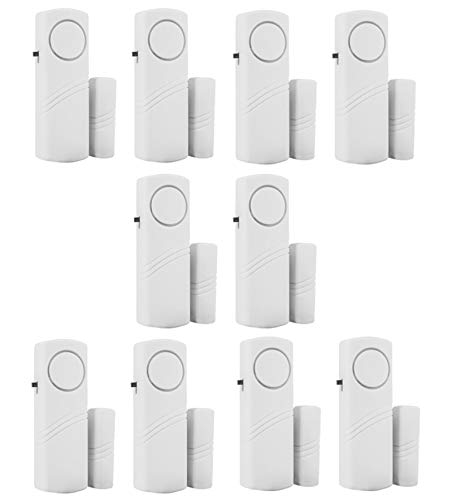
- 【Easy to use & User description】 Magnetic sensor switch detects your door or window. Eas…
- 【Applicable to multiple scenarios】 Easily mounted by adhesive. Type to window or door. I…
- Super loud 90 dB alarm. When someone opens the door or window illegally (the relative po…

- Easily mounted by adhesive. Type to window or door. Ideal entry warning for homes,apartm…
- Magnetic sensor switch detects your door or window.Easy stick installation and operation…
- Super loud 90 dB alarm. When someone opens the door or window illegally (the relative po…

