Detectors & Sensors Guide
Simple, practical guidance for detectors sensors.
⭐ Our Top 3 Smart Home Gadgets
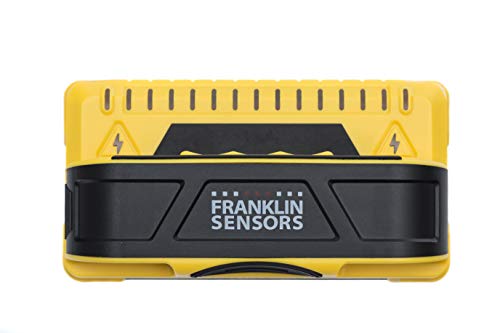
Franklin Sensors ProSensor M150/X990 Stud Finder with Live Wire Detection and 9-Sensors, Wood & Metal Stud Detector/Wall Scanner, Made in The USA
ACCURATE: More sensors = More accuracy. Conventional stud finders have 1 or 2 se…
EASY: One mode finds it all! The ProSensor M150 adjusts for a variety of depths, materials, and textures. No calibration required. Press and hold the…

Franklin Sensors ProSensor MAX Stud Finder with 13-Sensors, Wood & Metal Stud Detector/Wall Scanner, Scans Through Plaster, OSB & More, Made in the USA
ACCURATE: More sensors = More accuracy. Conventional stud finders have 1 or 2 se…
EASY: No calibration required. Just place the ProSensor MAX against the wall and press and hold the button to begin scanning. Unlike other stud sensor…

Stud Finder Wall Scanner 5 in 1 Multifunctional Upgraded Smart Wall Scanner, Stud Sensor Beam Detector with Battery for Wood Metal and AC Wire Detection, Comes with HD LCD Display and Audio Alarm
Extremely Accurate and Consistent – Our stud detectors are professionally design…
5 scan modes up to 60mm deep – Our versatile stud locator quickly and easily locates wooden studs, metal pipes and live AC wires behind walls, floors…
We hand-pick these based on real testing and reviews
If you’re working on detectors sensors, you’re in the right place. This hub helps you understand the basics, pick the right next step, and avoid the common mistakes that waste time.
Use the cards below to jump to the most useful guides.
What you’ll get here
- Clear next steps for detectors sensors
- Beginner-friendly explanations that avoid jargon
- Common mistakes to avoid and what to do instead
- A simple plan you can follow in order
How to start (simple plan)
Start with one clear goal for detectors sensors. Then follow a simple sequence: (1) decide what you need, (2) choose the safest/easiest option that fits, (3) test it on a small scale, and (4) improve from there.
Choose Your Next Step

Best Door and Window Sensors
Best Water Leak Sensors
Best Smart Smoke and CO Detectors
Latest Guides

Smart Alarm App Settings You Should Enable
Smart Alarm App Settings You Should Enable In this guide, you’ll learn how to optimize your smart alarm app settings…
Read guide →
CO Alarm Placement: Bedrooms And Furnace Rooms
CO Alarm Placement: Bedrooms And Furnace Rooms In this guide, you’ll learn how to properly place carbon monoxide (CO) alarms…
Read guide →How To Test Smart Alarm Alerts And Notifications
How To Test Smart Alarm Alerts And Notifications In this guide, you will learn how to effectively test smart alarm…
Read guide →
How To Reduce False Smoke Alarms (Kitchen Tips)
How To Reduce False Smoke Alarms (Kitchen Tips) False smoke alarms can be a significant nuisance, especially in the kitchen…
Read guide →
Where To Install Smoke And CO Detectors (Basic Layout)
Where To Install Smoke And CO Detectors (Basic Layout) Installing smoke and carbon monoxide (CO) detectors in your home is…
Read guide →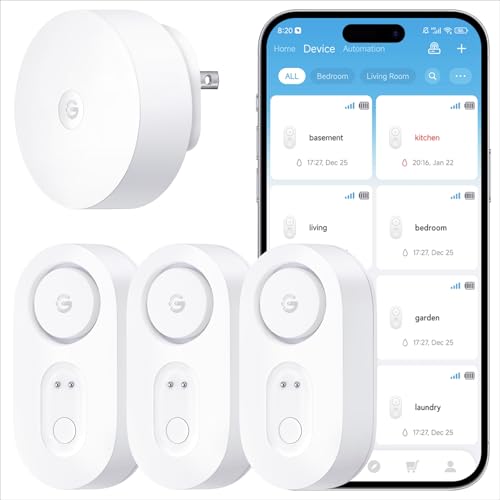
How To Test A Water Leak Sensor Properly
How To Test A Water Leak Sensor Properly Testing a water leak sensor is crucial to ensure that it functions…
Read guide →
Leak Sensor Battery And Maintenance Checklist
Leak Sensor Battery And Maintenance Checklist Managing water leaks in your home or office is crucial for maintaining safety and…
Read guide →
Where To Place Leak Sensors (Kitchen
Where To Place Leak Sensors (Kitchen Installing leak sensors in your kitchen is an essential step in safeguarding your home…
Read guide →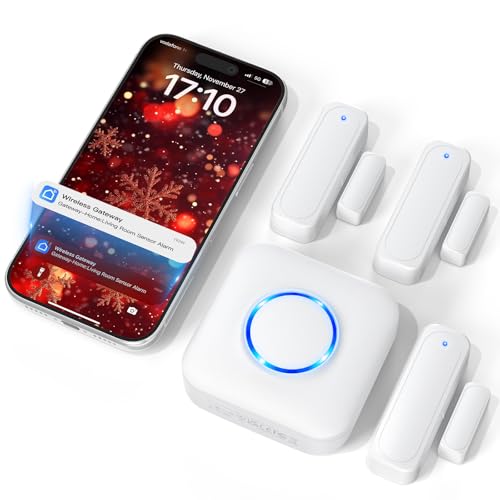
Smart Sensor Routines: Lights On When The Door Opens
Smart Sensor Routines: Lights On When The Door Opens Creating a smart sensor routine that turns on lights when a…
Read guide →FAQ
What should I check first before starting detectors sensors?
Start with the basics: confirm what your goal is, what tools or setup you already have, and what your constraints are (space, time, experience). Then follow a simple step-by-step plan instead of trying everything at once.
What’s the most common mistake people make with detectors sensors?
The big one is rushing. People skip setup or safety steps, or they choose the wrong approach for their situation. A quick checklist and a clear “first 10 minutes” routine prevents most problems.
How do I choose the right approach for detectors sensors?
Pick based on your real use case: frequency, conditions, and skill level. Start with the simplest option that reliably works, then upgrade only if you hit a clear limitation.
How can I get better results with detectors sensors without overcomplicating it?
Use a repeatable process: prep → execute → review. Keep notes on what worked and what didn’t, and change one variable at a time. Consistency beats “new tricks” every day.
When should I stop and get help with detectors sensors?
If you run into safety risks, repeated failures with the same symptom, or you’re unsure about the correct procedure, pause. It’s faster (and safer) to verify the right method than to guess.