Smart Home Lighting Guide
Simple, practical guidance for smart home lighting.

⭐ Our Top 3 Smart Home Gadgets

THE ULTIMATE SMART LIGHTING GIFT GUIDE: Turn Any Home into a Holiday-Ready Smart Home (2025) (The DIY Smart Home Guide Collection)

Lighting beyond Edison: Brilliant Residential Lighting Techniques in the Age of LEDs

PHILIPS HUE USER GUIDE TO AUTOMATING YOUR HOME WITH SMART LIGHTING : Step-by-Step Setup, Voice Control and Energy-Saving Routines for Every Smart Home
We hand-pick these based on real testing and reviews
If you’re working on smart home lighting, you’re in the right place. This hub helps you understand the basics, pick the right next step, and avoid the common mistakes that waste time.
Use the cards below to jump to the most useful guides.
What you’ll get here
- Clear next steps for smart home lighting
- Beginner-friendly explanations that avoid jargon
- Common mistakes to avoid and what to do instead
- A simple plan you can follow in order
How to start (simple plan)
Start with one clear goal for smart home lighting. Then follow a simple sequence: (1) decide what you need, (2) choose the safest/easiest option that fits, (3) test it on a small scale, and (4) improve from there.
Choose Your Next Step
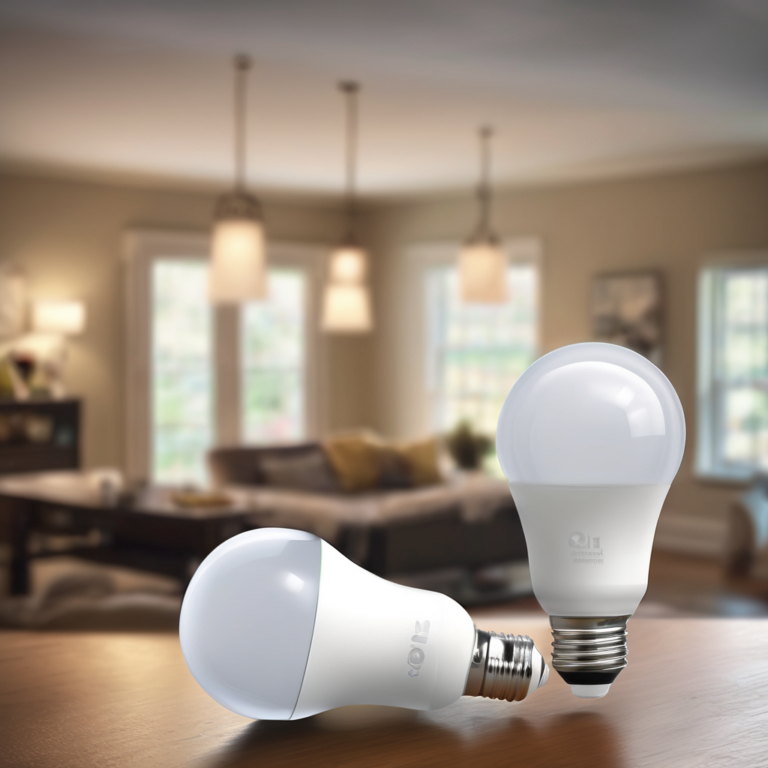
Best Smart Light Bulbs
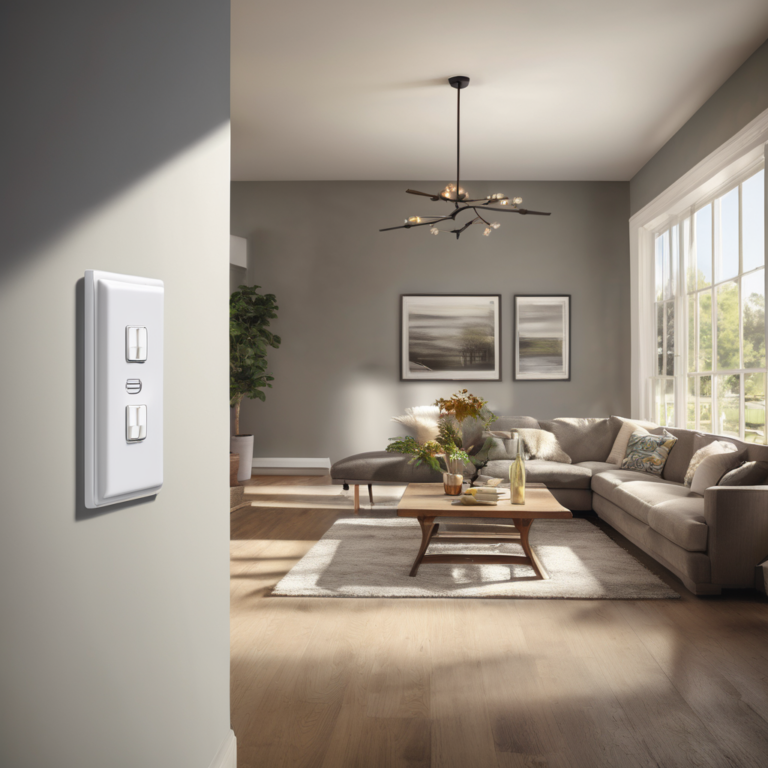
Best Smart Light Switches
Best Smart Light Strips
Latest Guides

How To Choose Light Strip Brightness And Length
How To Choose Light Strip Brightness And Length Choosing the right brightness and length for your light strips can transform…
Read guide →
How To Sync Light Strips With Music And Movies
How To Sync Light Strips With Music And Movies Syncing light strips with music and movies can elevate your viewing…
Read guide →
How To Cut And Reconnect LED Light Strips Safely
How To Cut And Reconnect LED Light Strips Safely Cutting and reconnecting LED light strips can enhance your home lighting…
Read guide →
How To Install Light Strips Without Damaging Walls
How To Install Light Strips Without Damaging Walls Installing light strips can transform your space, adding ambiance and style without…
Read guide →
Where To Place LED Light Strips For The Best Effect
Where To Place LED Light Strips For The Best Effect LED light strips can transform any space into a vibrant…
Read guide →
How To Group Smart Switches For Room Voice Control
How To Group Smart Switches For Room Voice Control Grouping smart switches for room voice control allows you to control…
Read guide →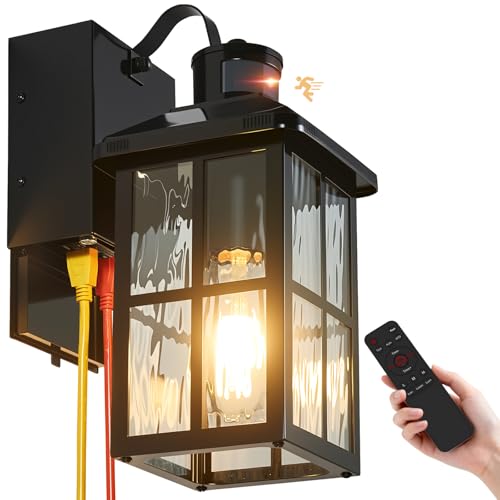
How To Automate Porch Lights With A Smart Switch
How To Automate Porch Lights With A Smart Switch Automating your porch lights with a smart switch can enhance your…
Read guide →
Single-Pole Vs 3-Way Smart Switch: How To Choose
Single-Pole Vs 3-Way Smart Switch: How To Choose Choosing between a single-pole and a 3-way smart switch can significantly impact…
Read guide →
3-Way Smart Switch Wiring Explained (Simple Guide)
3-Way Smart Switch Wiring Explained (Simple Guide) In this guide, you’ll learn how to wire a 3-way smart switch, specifically…
Read guide →FAQ
What should I check first before starting smart home lighting?
Start with the basics: confirm what your goal is, what tools or setup you already have, and what your constraints are (space, time, experience). Then follow a simple step-by-step plan instead of trying everything at once.
What’s the most common mistake people make with smart home lighting?
The big one is rushing. People skip setup or safety steps, or they choose the wrong approach for their situation. A quick checklist and a clear “first 10 minutes” routine prevents most problems.
How do I choose the right approach for smart home lighting?
Pick based on your real use case: frequency, conditions, and skill level. Start with the simplest option that reliably works, then upgrade only if you hit a clear limitation.
How can I get better results with smart home lighting without overcomplicating it?
Use a repeatable process: prep → execute → review. Keep notes on what worked and what didn’t, and change one variable at a time. Consistency beats “new tricks” every day.
When should I stop and get help with smart home lighting?
If you run into safety risks, repeated failures with the same symptom, or you’re unsure about the correct procedure, pause. It’s faster (and safer) to verify the right method than to guess.