How To Use Thermostat Geofencing The Right Way
In this guide, you’ll learn how to effectively use thermostat geofencing to enhance your home’s heating and cooling efficiency. By leveraging this technology, you can ensure that your home is comfortable when you arrive and save energy when you’re away. Always remember to follow safety guidelines when handling electrical devices.
Disclosure: As an Amazon Associate I earn from qualifying purchases at no cost for you.

- Easy to Use and nonprogrammable Design: Upgrade version, operation is simpler, more conv…
- Remote Control Built in Temp Sensor: Equipped with a highly accurate temperature sensor,…
- Heating & Cooling Mode: Automatically control the activation and deactivation of heating…
What You’ll Need
- A thermostat that supports geofencing, such as the DIGITEN Wireless Thermostat WTC100 Pro.
- A smartphone with the corresponding app for thermostat control.
- Wi-Fi connection for remote access.
- Location services enabled on your smartphone.
Step-by-Step
- Install the Thermostat: Begin by plugging in the DIGITEN Wireless Thermostat WTC100 Pro into a suitable outlet. Ensure that it is connected to your heating or cooling system.
- Download the App: Install the app that is compatible with your thermostat on your smartphone. This app will allow you to set geofencing features.
- Connect to Wi-Fi: Follow the app instructions to connect your thermostat to your home Wi-Fi network. This step is crucial for remote access.
- Enable Location Services: On your smartphone, go to settings and enable location services for the app. This allows the thermostat to detect when you are leaving or returning home.
- Set Geofencing Parameters: Within the app, navigate to the geofencing settings. Define the radius around your home within which the thermostat will operate. For example, you might set it to activate when you are 5 miles away.
- Configure Temperature Settings: Set your desired heating and cooling temperatures within the app. The thermostat will adjust based on your preferences when you enter or exit the defined geofenced area.
- Test the Setup: Leave your home and return to see if the thermostat responds correctly to your location. Make any necessary adjustments to the settings if it does not function as expected.
- Monitor and Adjust: Over the first few weeks, observe how the geofencing feature operates. Make adjustments to the radius or temperature settings as needed for optimal comfort.
Pro Tips for Better Results

- Easy to Use and nonprogrammable Design: Upgrade version, operation is simpler, more conv…
- Remote Control Built in Temp Sensor: Equipped with a highly accurate temperature sensor,…
- Heating & Cooling Mode: Automatically control the activation and deactivation of heating…
- Consider a slightly larger radius for the geofencing feature to ensure the thermostat activates before you arrive home.
- Regularly update the app to access new features and improve functionality.
- Utilize the thermostat’s built-in temperature sensor effectively by placing it in an area that represents the average temperature of your home.
Common Mistakes
- Not enabling location services, which prevents the thermostat from detecting your arrival or departure.
- Setting the geofencing radius too small, leading to delays in temperature adjustments.
- Failing to check Wi-Fi connectivity, which may disrupt remote access and control.
Troubleshooting
- If the thermostat does not respond to your location, ensure that location services are enabled for the app.
- Check Wi-Fi connectivity and make sure the thermostat is connected to the network.
- Reset the thermostat and reconfigure the settings if it continues to malfunction.
Maintenance / Next-Time Checklist
- Regularly check the thermostat’s connection to Wi-Fi.
- Ensure that the app is updated for the latest features.
- Clean the thermostat and surrounding area to prevent dust buildup, which can affect sensor accuracy.
Recommended Products & Tools
Using the DIGITEN Wireless Thermostat WTC100 Pro is an excellent choice for implementing geofencing. Its easy-to-use design and remote control capabilities make it ideal for homeowners looking to optimize their heating and cooling systems. Other tools like smart home hubs can enhance integration with other smart devices, adding convenience to your home automation setup.
FAQ
-
What is thermostat geofencing?
Geofencing allows your thermostat to automatically adjust temperatures based on your location, ensuring comfort when you’re home and energy savings when you’re away.
-
Can geofencing work with multiple users?
Yes, multiple users can have access to the thermostat app, allowing everyone to benefit from geofencing features.
-
What happens if my Wi-Fi goes down?
If your Wi-Fi is down, the thermostat will not be able to respond to geofencing commands, and you may need to adjust settings manually.
-
Is geofencing compatible with all thermostats?
No, not all thermostats support geofencing. Ensure your model is compatible before attempting to use this feature.
-
What if my location is inaccurate?
Make sure to enable high accuracy for location services on your smartphone for the best results.
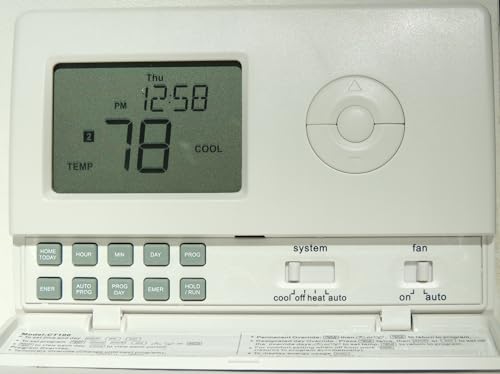
- Tamper Proof Thermostat for landlord and commerical property owners
- Renters/Guest can not set heat over 72 degrees
- Renters/Guests can not set cool below 75 degrees
Wrap-Up
Using thermostat geofencing can significantly enhance your home’s comfort and energy efficiency. By following the steps outlined in this guide, you can set up your system effectively and troubleshoot common issues. With the right approach, you can enjoy a smart home experience tailored to your lifestyle.
Recommended Products & Tools
- Easy to Use and nonprogrammable Design: Upgrade version, operation is simpler, more conv…
- Remote Control Built in Temp Sensor: Equipped with a highly accurate temperature sensor,…
- Heating & Cooling Mode: Automatically control the activation and deactivation of heating…

- Tamper Proof Thermostat for landlord and commerical property owners
- Renters/Guest can not set heat over 72 degrees
- Renters/Guests can not set cool below 75 degrees

