Schedule Vs Learning Thermostat Mode
When it comes to managing indoor temperatures, homeowners often weigh the benefits of scheduled thermostat settings against learning thermostat modes. Scheduled settings allow users to pre-program temperatures for specific times, ensuring comfort when needed. In contrast, learning thermostats adapt automatically to your habits, optimizing energy usage without manual input.
Disclosure: As an Amazon Associate I earn from qualifying purchases at no cost for you.

- Wall-mounted thermometer
- Help students learn to read temperature in Celsius and Fahrenheit
- For indoor and outdoor use
Understanding the differences between these two modes can help you make an informed decision. This guide will explore the advantages and disadvantages of each, along with practical tips to enhance your thermostat experience.
Why This Matters
Choosing between schedule and learning modes can significantly impact your home’s energy efficiency and comfort levels. A well-set schedule can lead to predictable energy consumption, while a learning thermostat can tailor its operations to your lifestyle. Understanding these differences allows for a more comfortable living environment and potential savings on energy bills.
Moreover, as smart technology continues to evolve, knowing how to leverage these features can enhance your home automation experience. Whether you prioritize consistency or adaptability, this knowledge is crucial for making the best choice for your home.
Key Benefits
- Scheduled Thermostat Mode: Offers precise temperature control at set times, ensuring comfort during peak hours.
- Learning Thermostat Mode: Automatically adjusts based on your behavior, learning your preferences over time.
- Both modes can contribute to energy savings, though their approaches differ.
- Scheduled settings are easy to manage and require little adjustment once programmed.
- Learning thermostats can optimize energy usage by reducing heating or cooling when you’re not home.
Common Drawbacks & Limitations

- Wall-mounted thermometer
- Help students learn to read temperature in Celsius and Fahrenheit
- For indoor and outdoor use
- Scheduled Thermostat Mode: Requires manual adjustments for changes in routine, which can be inconvenient.
- May not adapt well to sudden changes in weather or occupancy.
- Learning Thermostat Mode: Can take time to learn your patterns, which may not yield immediate results.
- Initial setup may require more effort compared to simply setting a schedule.
What to Look For (Buyer’s Checklist)
- Compatibility with your current HVAC system.
- User-friendly interface for easy programming or adjustments.
- Smart features, such as remote access via smartphone apps.
- Energy usage reports to help track savings.
- Support for both Fahrenheit and Celsius readings for versatile use.
How to Choose for Your Situation
When deciding between schedule and learning modes, consider your lifestyle and preferences. If you have a consistent schedule, a programmable thermostat may suffice. However, if your routine varies significantly, a learning thermostat could provide greater comfort and efficiency.
Also, take into account the adaptability of your household. Families with multiple members may benefit from a learning thermostat, as it can accommodate different preferences without needing constant manual adjustments.
Care, Safety, and Longevity Tips
To ensure your thermostat operates effectively, regular maintenance is essential. Keep the device clean and dust-free, as dirt can affect its sensors. Additionally, check and replace batteries as needed to avoid interruptions in operation.
For safety, ensure that the thermostat is installed in a location that is not prone to extreme temperatures or humidity. This will help extend the lifespan of the device.
Recommended Picks
When exploring learning and scheduled thermostats, consider products that have received positive feedback for their reliability and ease of use. Look for options that integrate well with smart home systems and offer intuitive controls. Some models are praised for their energy-saving features, while others are noted for their user-friendly apps that allow for remote management.
In contrast, if you prefer a scheduled thermostat, seek models with straightforward programming and easy-to-read displays. Some may even come with additional features like temperature alerts, making them suitable for family use.
FAQ
- Can I switch between schedule and learning modes?
Yes, many modern thermostats allow you to switch between modes based on your preferences. - How long does a learning thermostat take to adjust?
It typically takes a few days to a couple of weeks for a learning thermostat to fully adapt to your habits. - Are learning thermostats more energy-efficient?
Generally, yes, as they optimize heating and cooling based on your actual usage patterns. - Can I manually override a learning thermostat?
Yes, most learning thermostats allow for manual adjustments at any time. - What happens if my schedule changes frequently?
A learning thermostat may be more beneficial, as it will adapt to your new patterns over time.
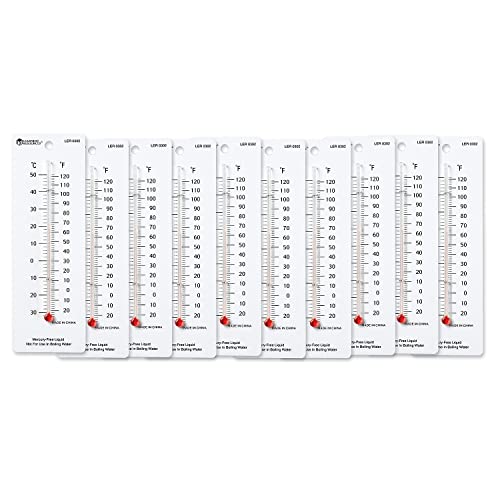
- Teach students temperature measurement with these easy-to-read thermometers
- Display features both Farenheit and Celsius
- Withstands up to 50 degrees Celsiuis, not for use in boiling water
Conclusion
Understanding the differences between scheduled and learning thermostat modes is essential for optimizing your home’s climate control. Each mode has its own set of advantages and limitations, making it crucial to choose based on your lifestyle and preferences.
By considering your needs and the features of various thermostats, you can enhance your home’s comfort while potentially reducing energy consumption. Whether you opt for the predictability of a schedule or the adaptability of a learning mode, the right choice can lead to a more enjoyable living space.
Popular Picks to Compare
- Wall-mounted thermometer
- Help students learn to read temperature in Celsius and Fahrenheit
- For indoor and outdoor use
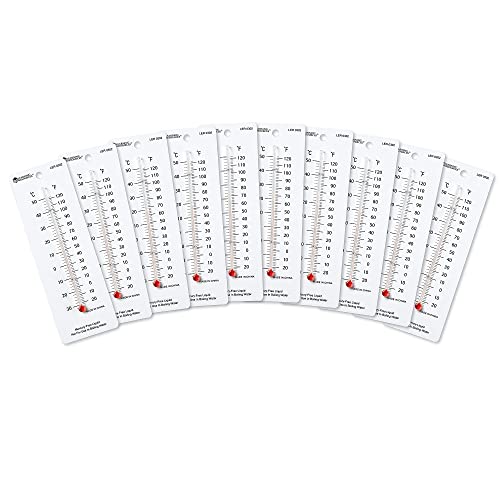
- Teach students temperature measurement with these easy-to-read thermometers
- Display features both Farenheit and Celsius
- Withstands up to 50 degrees Celsiuis, not for use in boiling water

